
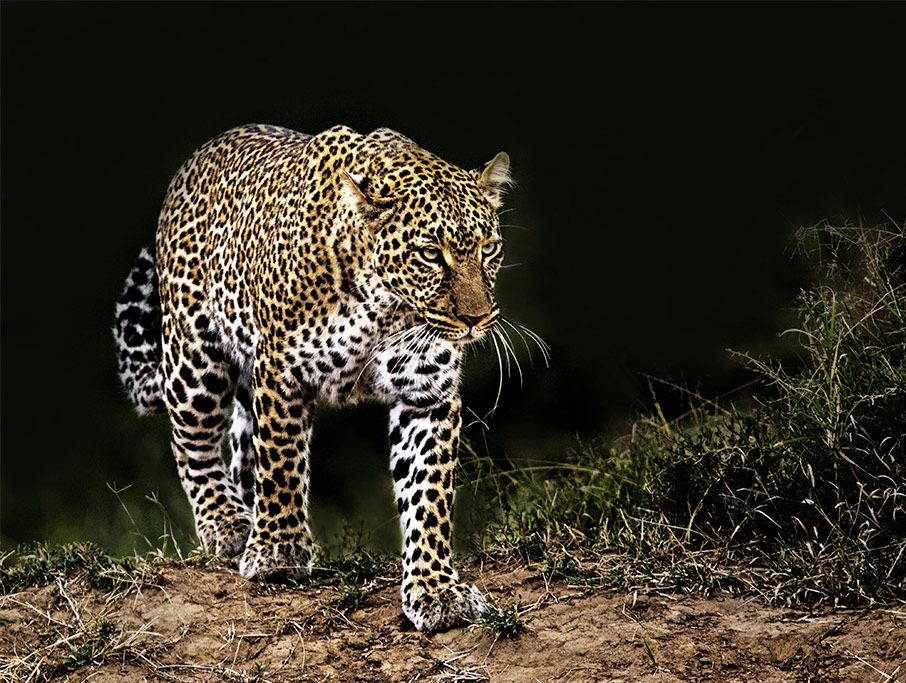

Leopards, unlike lions, have a more elusive presence in the animal kingdom. Historically found across vast regions of Africa and Asia, their range has significantly contracted due to habitat loss and human encroachment. Today, leopards are primarily found in sub-Saharan Africa, though small populations persist in parts of Asia.
Renowned for their stunning coats, leopards boast a unique pattern of rosettes, which provides exceptional camouflage in their natural habitats. This spotted fur allows them to blend seamlessly into the dense forests and savannas they call home, making them proficient hunters.
Leopards are solitary animals, unlike the social lions. They are adept climbers and often drag their prey into trees to protect it from scavengers. This behavior showcases their incredible strength and agility.
While leopards do not possess the imposing manes of lions, their grace and stealth have made them prominent figures in various cultures and mythologies. They symbolize cunning and agility, traits that are essential for their survival.
Conservation efforts are crucial for protecting leopard populations, which are threatened by poaching, habitat fragmentation, and human-wildlife conflict. As with all wildlife, it is imperative to respect and preserve the natural environments that leopards inhabit to ensure their continued presence in the world.